
Our story
A company born to give value to the llama and to the families who raise it.
The origin
“I am a llama herder”
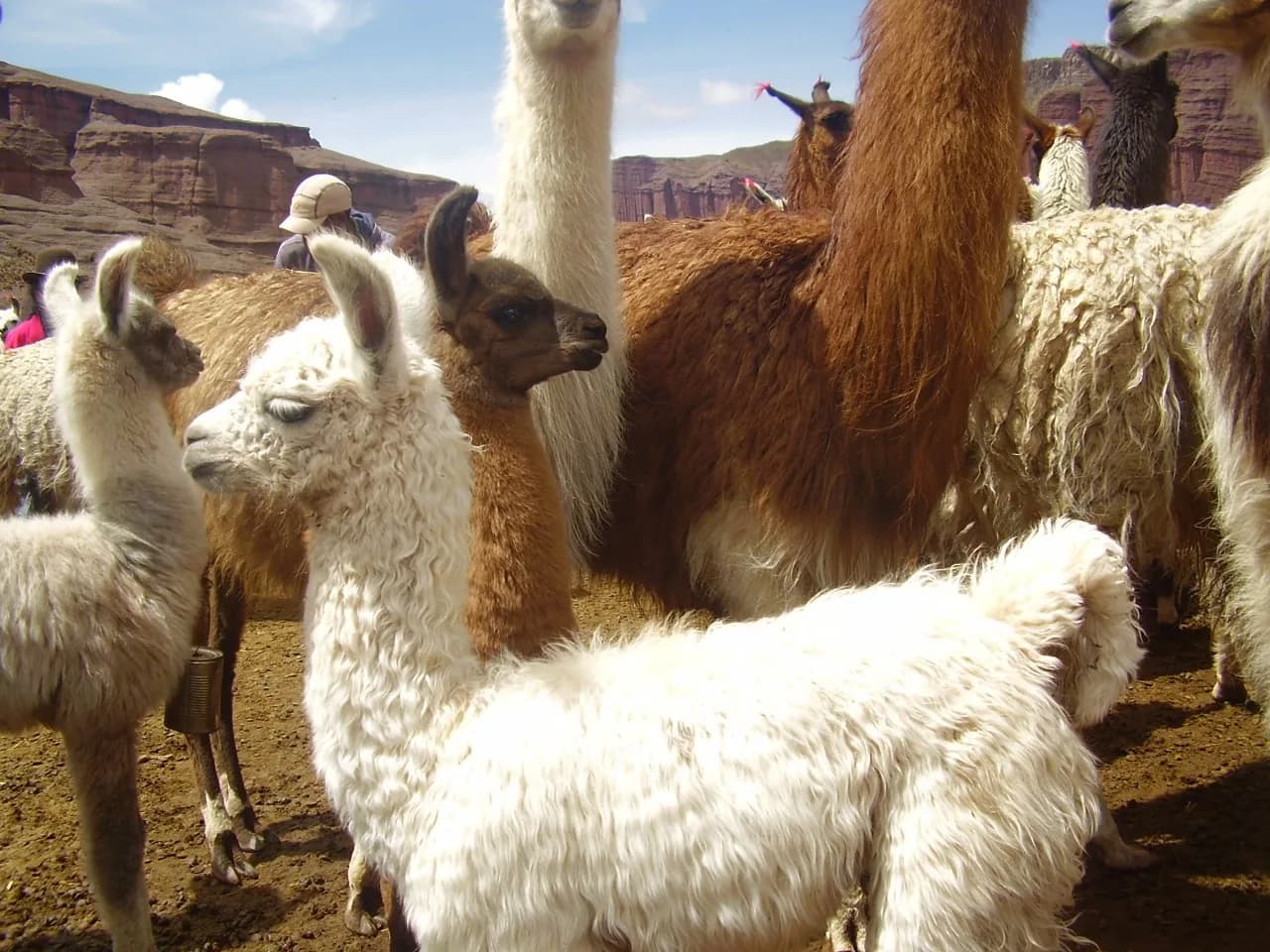
AWANA grew out of a personal story. Our founder, Alcira Lozano, was raised in a mining community in the Chichas region, where her family kept llamas, sheep and goats.
When she finished school, her grandmother wanted to leave her the herd. One day in July she was sent out to graze the animals: the wind announced snow on Mount Chorolque, the sheep huddled together and the goats ran off. Sitting in the shelter of a bush, with the cold on her face, she made herself a promise: to study and to come back to the countryside, but under different conditions.
She trained as a social worker and devoted her work to rural development. Years later she returned to Tupiza with one conviction: it is the market that must drive production, and llama fiber could open it.
Her profession is supporting people, and that shaped the company. She saw up close a sector where the middleman does not care whether the producer does well. AWANA was conceived the other way round: as a social project before a profit-making one, where profit is not made at the expense of those who raise the llama.
“I am not a businesswoman, I am an apprentice businesswoman. I did not start a company to make a lot of money, but a company with a social vision.”
The path
From the herd to the workshop
- 01
The promise
On an afternoon of wind and snow, grazing her grandmother’s herd, she decides to study so she can return to the countryside under different conditions.
- 02
Camelids in four countries
As a social worker she takes part in designing an international camelid project for Bolivia, Peru, Chile and Argentina.
- 03
Studying the fiber
She analyzes llama fiber from northern La Paz to Catamarca, Argentina, to find out where the finest fiber is.
- 04
Technology for the llama
Dehairing machines built specifically for llama fiber arrive in Tupiza.
- 05
Weaving together
Llama herders are organized to shear, something that had never been done, and then women to weave. AWANA is born.
Why the llama
Bolivia’s own resource
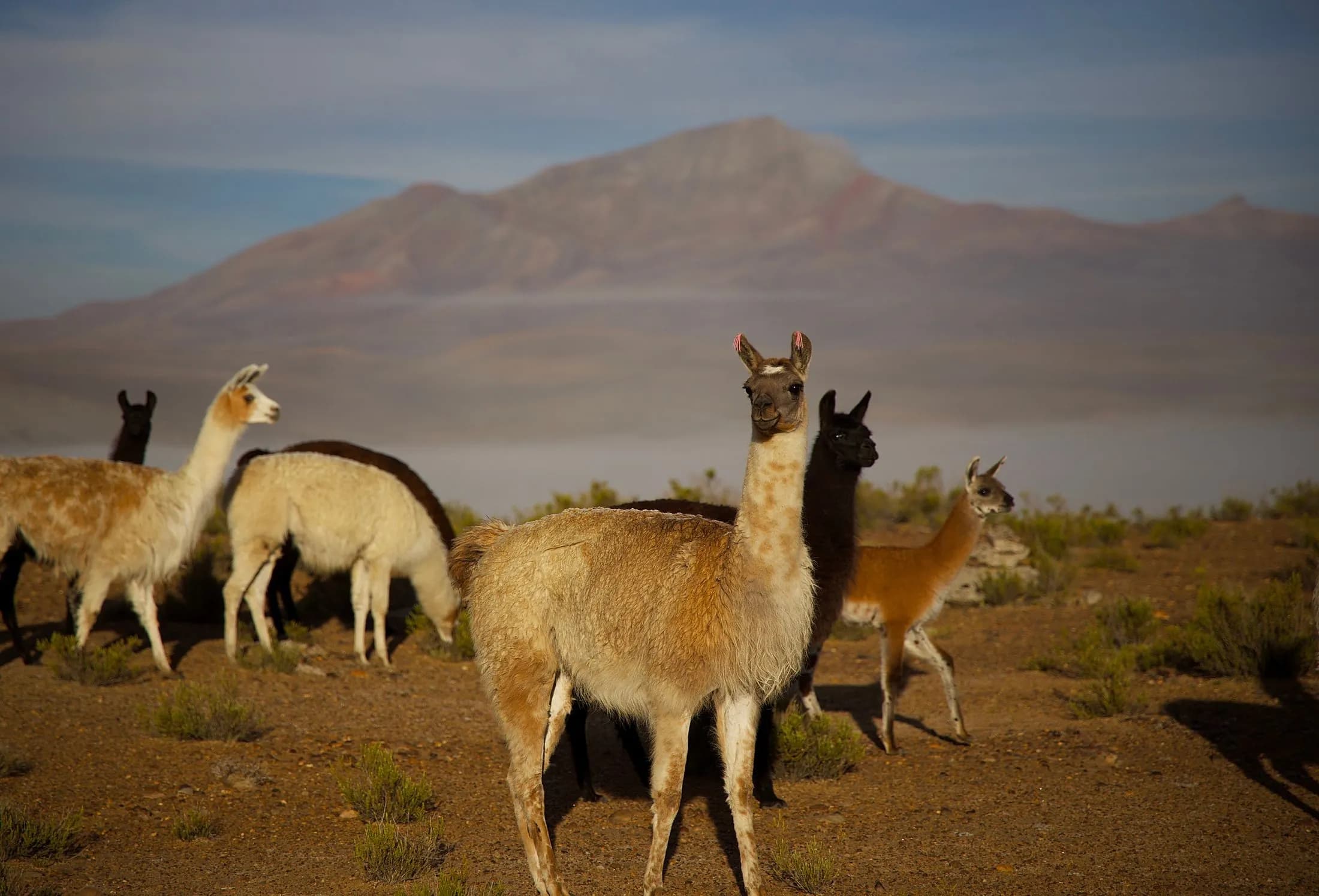
The llama is Bolivia’s great natural resource. Giving value to its fiber means taking a product with its own identity to the world and sustaining the families who raise it.
3 M
Llamas in Bolivia
Bolivia has around three million llamas, the largest population in the world. Most of them live in Potosí.
100 %
Bolivian identity
Raised, shorn, spun and woven in Bolivia. Every llama fiber garment carries the country’s name wherever it goes.
500+
Breeder families
In the highlands, climate and altitude hardly allow any crops: the llama is the livelihood. Giving value to its fiber means income for those who raise it.
Culture
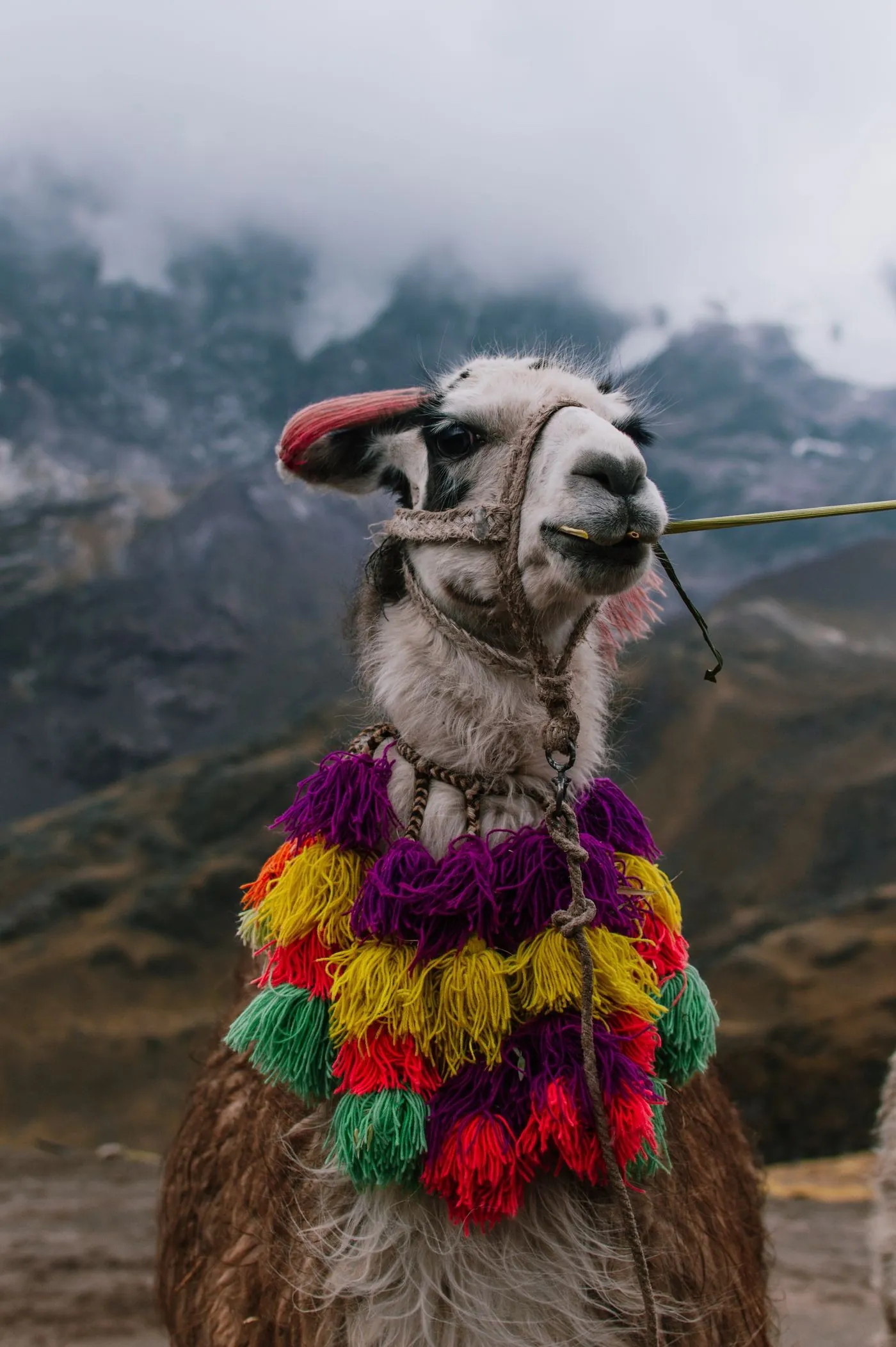
The llama is sacred
In the Andes the llama is bound to the Pachamama and to mining culture: it is the offering given to the earth and to the Tío of the mine to ask for blessings.
In the countryside no llama is sacrificed without a ritual. We chose to work with its fiber: the llama is shorn and goes back to its herd.
Research and innovation
A noble fiber, studied in depth
Before selling a single skein, we did research. What we have in Tupiza is, above all, a laboratory for the development of llama fiber.
- 01
Fiber from the south
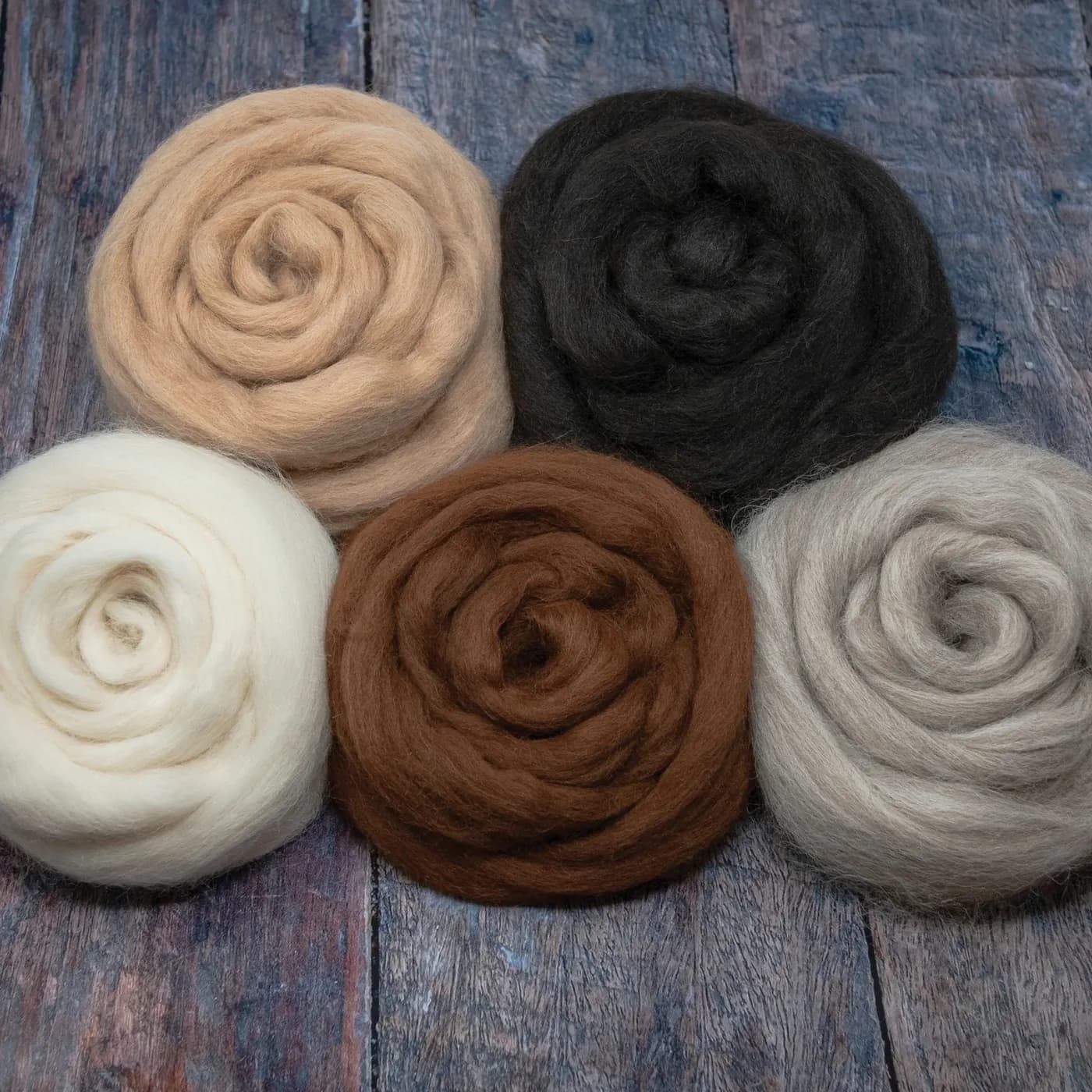
We studied llama fiber from different regions. The fiber of southern llamas, from Sud Lípez towards Argentina, is the finest.
- 02
Our own grading
We developed our own grading and sorting techniques, designed for llama fiber.
- 03
Dehairing
We have dehairing machines built specifically for llama: they remove the coarse guard hair and leave a fiber that does not itch.
- 04
Warmth without weight
Llama fiber is hollow inside: that makes it warm and light, and resistant to pilling.
Purpose
Mission and vision
Our mission
To provide our clients with high-quality yarns, textiles and crafts made from fine llama fibers, meeting their needs through innovation, collaborative work and social commitment to producer communities.
Our vision
To be the leading and benchmark company in the commercialization of llama fiber and artisanal products, recognized for its brand, quality and value in the national and international market, promoting sustainable development and the well-being of our collaborators and partners.
Our values
What holds every thread
- 01
Tradition
We preserve the ancestral techniques of Andean weaving.
- 02
Community
We work hand in hand with breeders, artisans and families in the region.
- 03
Sustainability
Natural fibers and processes that respect the land.
- 04
Quality
Excellence in every fiber, every thread and every garment.
Social impact
Weaving stories with purpose
At AWANA every thread and every product has a deep social purpose. We are proud to work hand in hand with different actors in our community, transforming lives through artisanal and sustainable production.
5
breeder associations
Working with camelid breeders
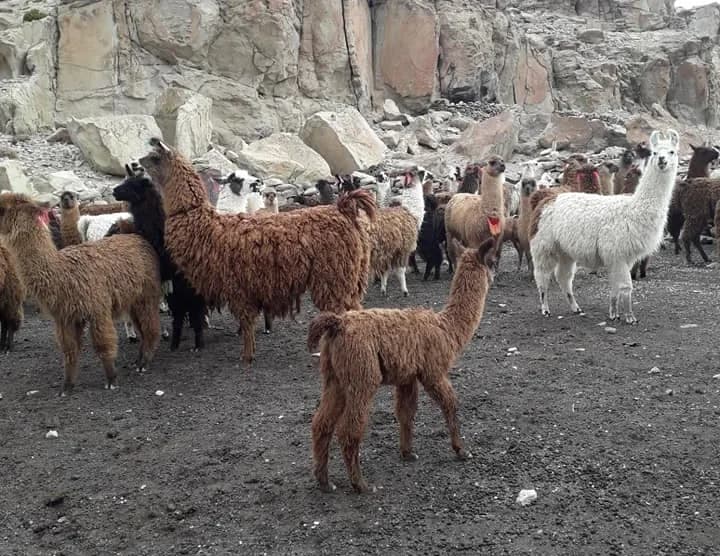
We collaborate with five associations of llama breeders, representing more than five hundred families. We guarantee the quality of the fiber from its origin and ensure competitive productive and commercial development for breeding communities.
100+
women weavers
Collaboration with artisans and cooperatives
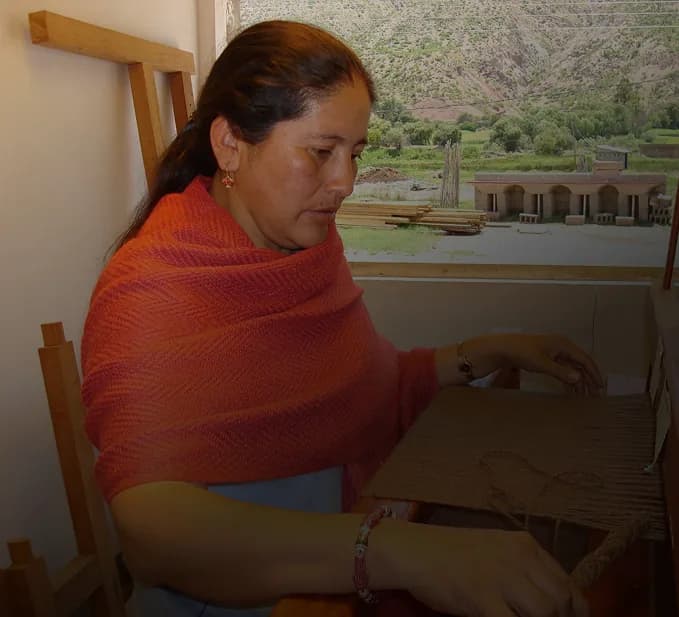
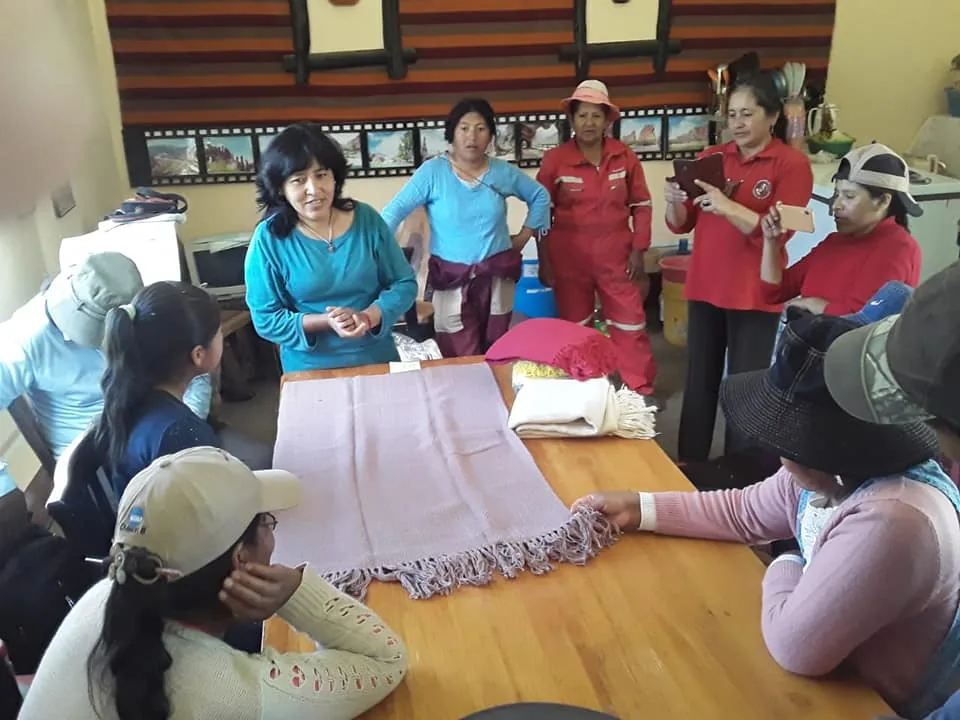
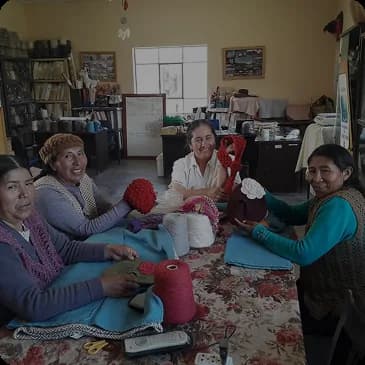
Our artisanal production is possible thanks to a network of talented artisans. We work with ten artisan centers that bring together more than one hundred women weavers, promoting the local economy and preserving ancestral weaving techniques.
87
people in inclusion programs
Social inclusion programs
An association of seven people with disabilities produces cards and hand looms. In addition, a social reintegration program with seventy men and ten women at the “Corazón de Jesús” rehabilitation center in Tupiza takes part in finishing and in producing packaging.